| Restocking Fee | No |
|---|---|
| Return shipping will be paid by | Seller |
| All returns accepted | Returns Accepted |
| Item must be returned within | 30 Days |
| Refund will be given as | Money back or replacement (buyer's choice) |
| Country/Region of Manufacture | United States |
| Common Name | Crimson Clover aka Italian Clover |
| Brand | SeedRanch |
| Color | Red |
| Species | Trifolium incarnatum |
| Type | Clover Seeds |
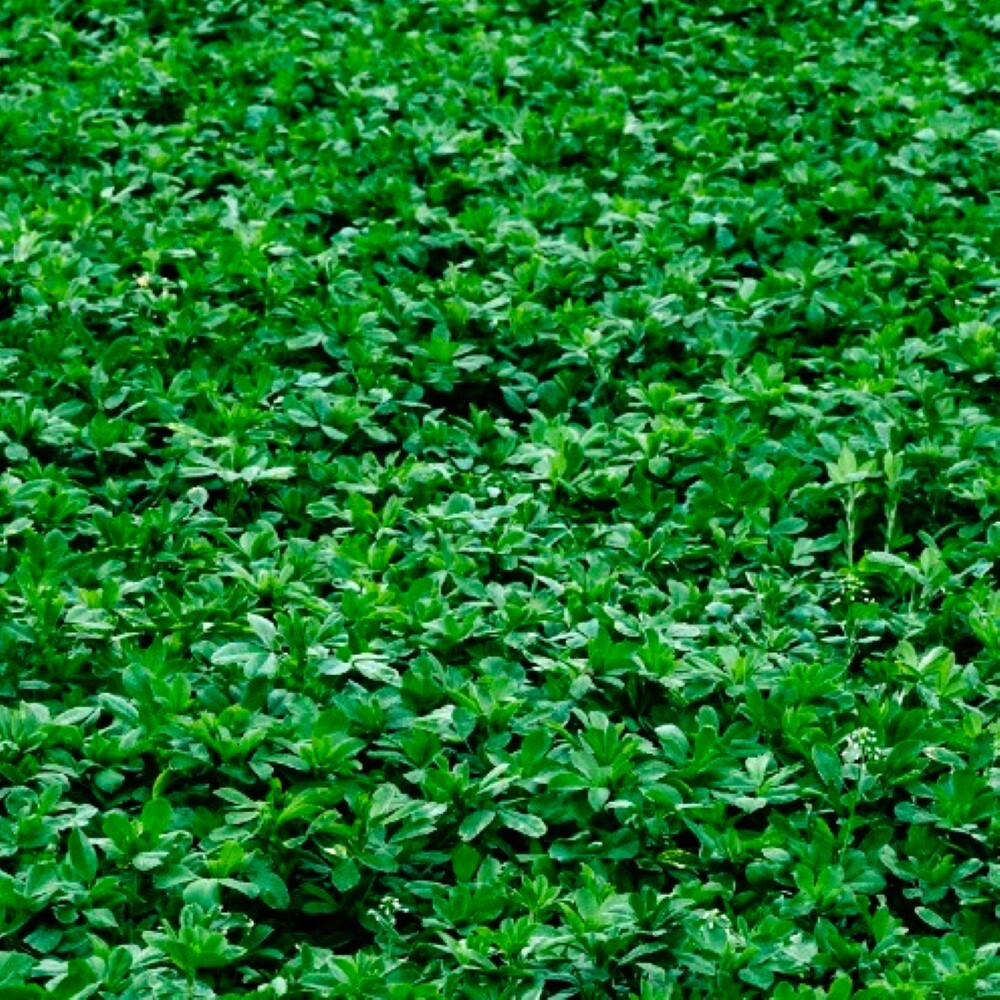
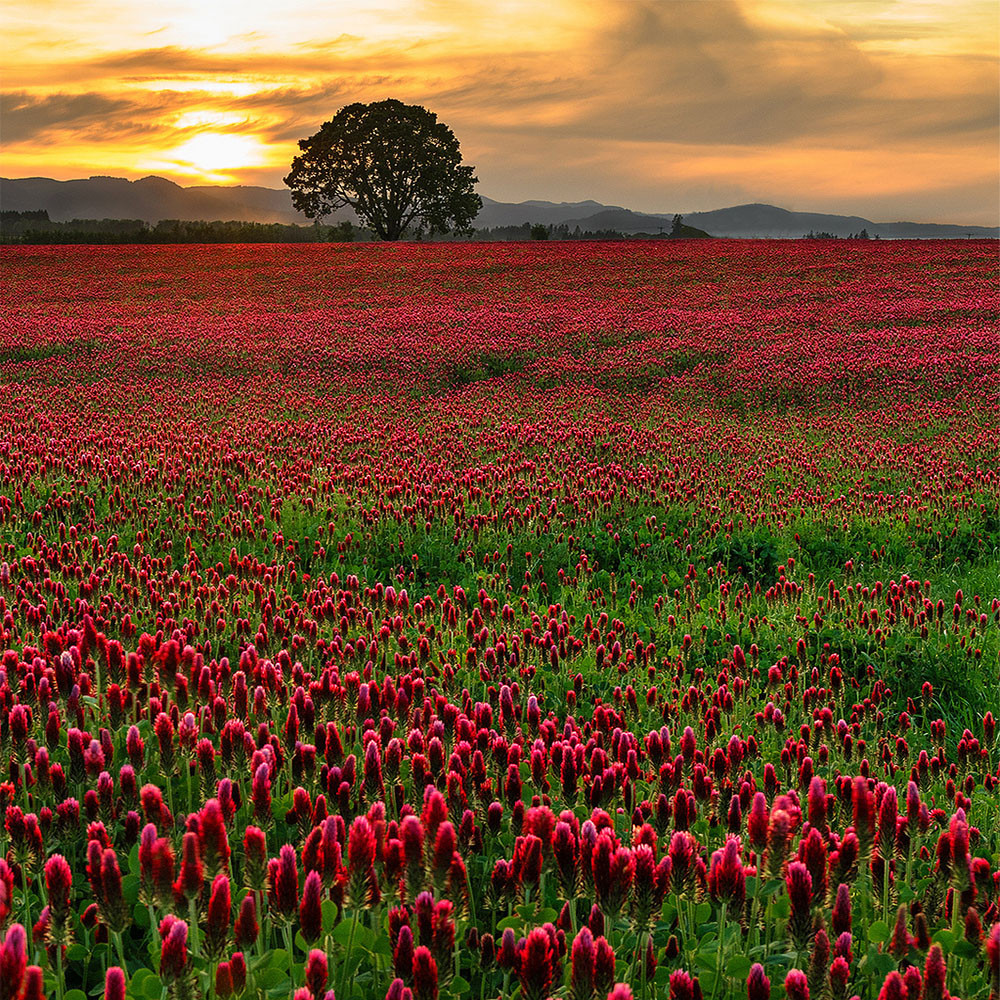
Check the listing for details. Crimson Clover Seed (Non GMO) Inoculated & Coated. Color: Red. Listed at 7.77 USD. Crimson Clover Seed Crimson clover (Trifolium incarnatum) is one of the most colorful forage plants and is frequently seen along roadsides, where it is planted for highway beautification. Crimson clover is a reseeding winter annual with an erect growth habit and a shallow taproot system. The flowers are a brilliant red color, elongated in shape, and often more than two inches long. The leaves are dark green and covered with dense hairs. Adaptation Crimson clover is best adapted to the heavier, well-drained soils, performing poorly on dry, sandy, and poorly drained sites. Crimson clover produces more forage at low temperatures than other clovers. It is fairly tolerant of soil acidity and is often seeded in mixture with small grains and ryegrass. Crimson clover is also often seeded into warm-season perennial grass pastures (bermudagrass and bahiagrass) and may reseed under some management conditions. Planting Crimson clover seed should be planted at 20 to 26 pounds of seed per acre. Most improved crimson clover varieties are adapted to Florida conditions, but they vary in spring maturity. Seeds germinate in the fall, and plants produce very little top growth while developing a strong root system, so very little forage is available for grazing before February. Grazing should be delayed until 6-8 inches of growth accumulate. Terminate grazing when plants are 3-5 inches in height. Crimson then grows rapidly until flowering begins about mid-April. Forage is very high quality with both leaves and stems readily consumed. Although it is generally grazed, it may be harvested as high-quality hay or silage. If trying to manage for reseeding, reduce grazing pressure for about three weeks when in full flower.
You may also like