| All returns accepted | ReturnsNotAccepted |
|---|
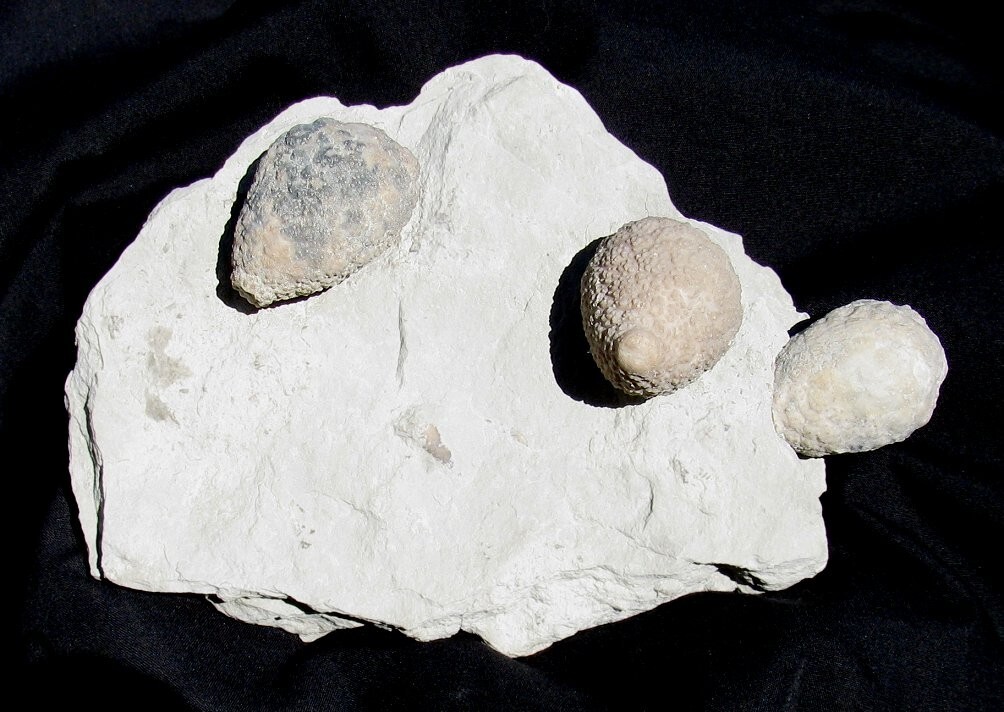
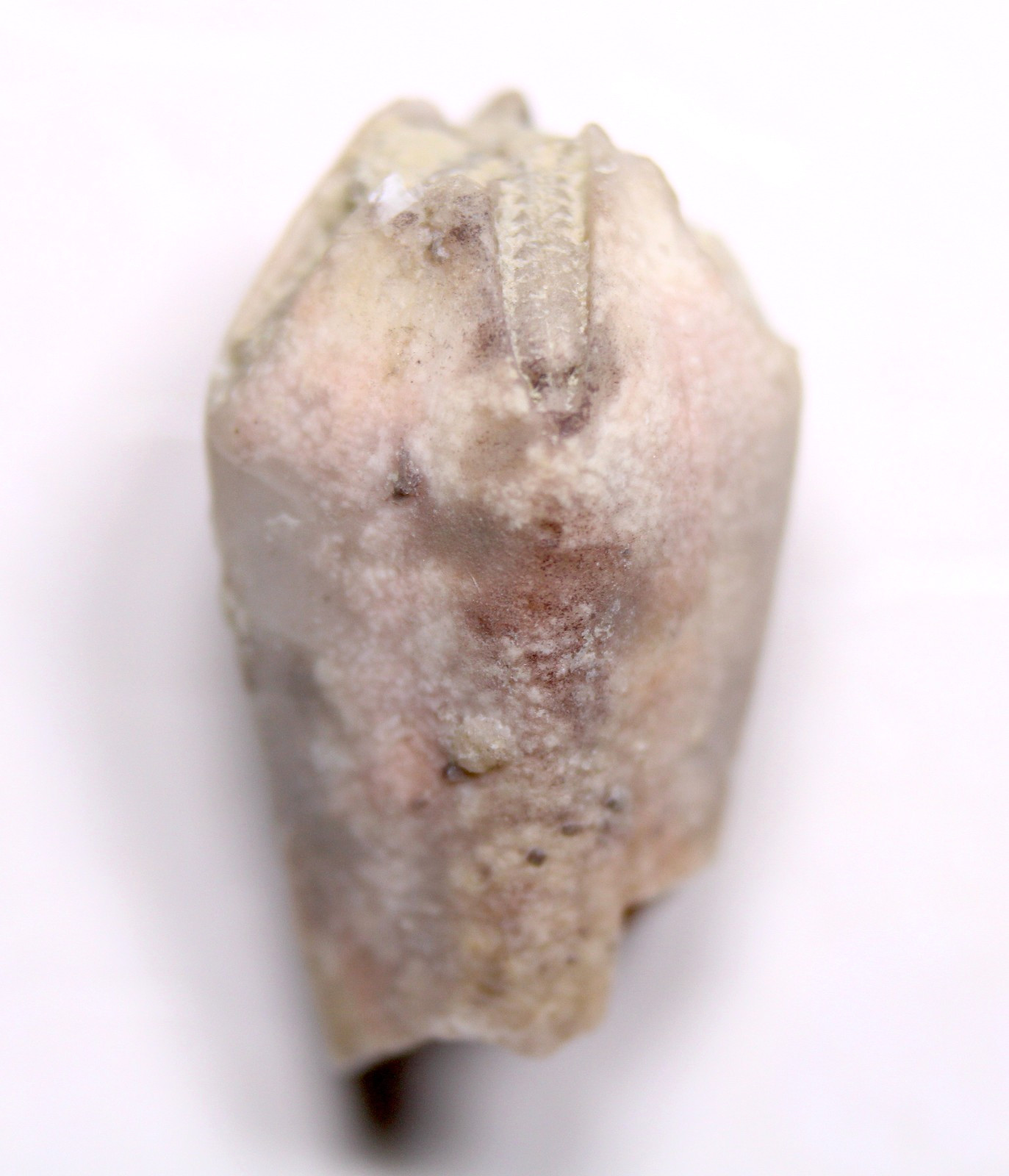
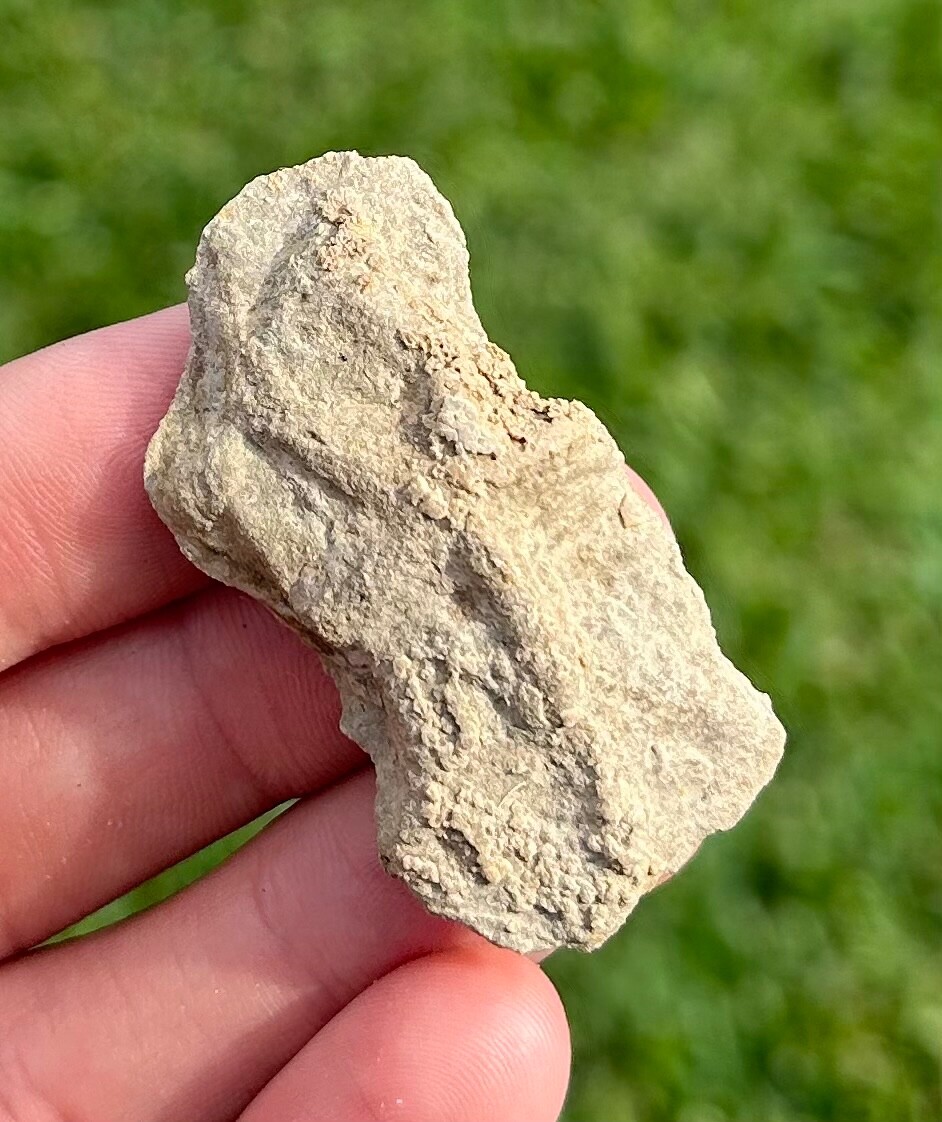
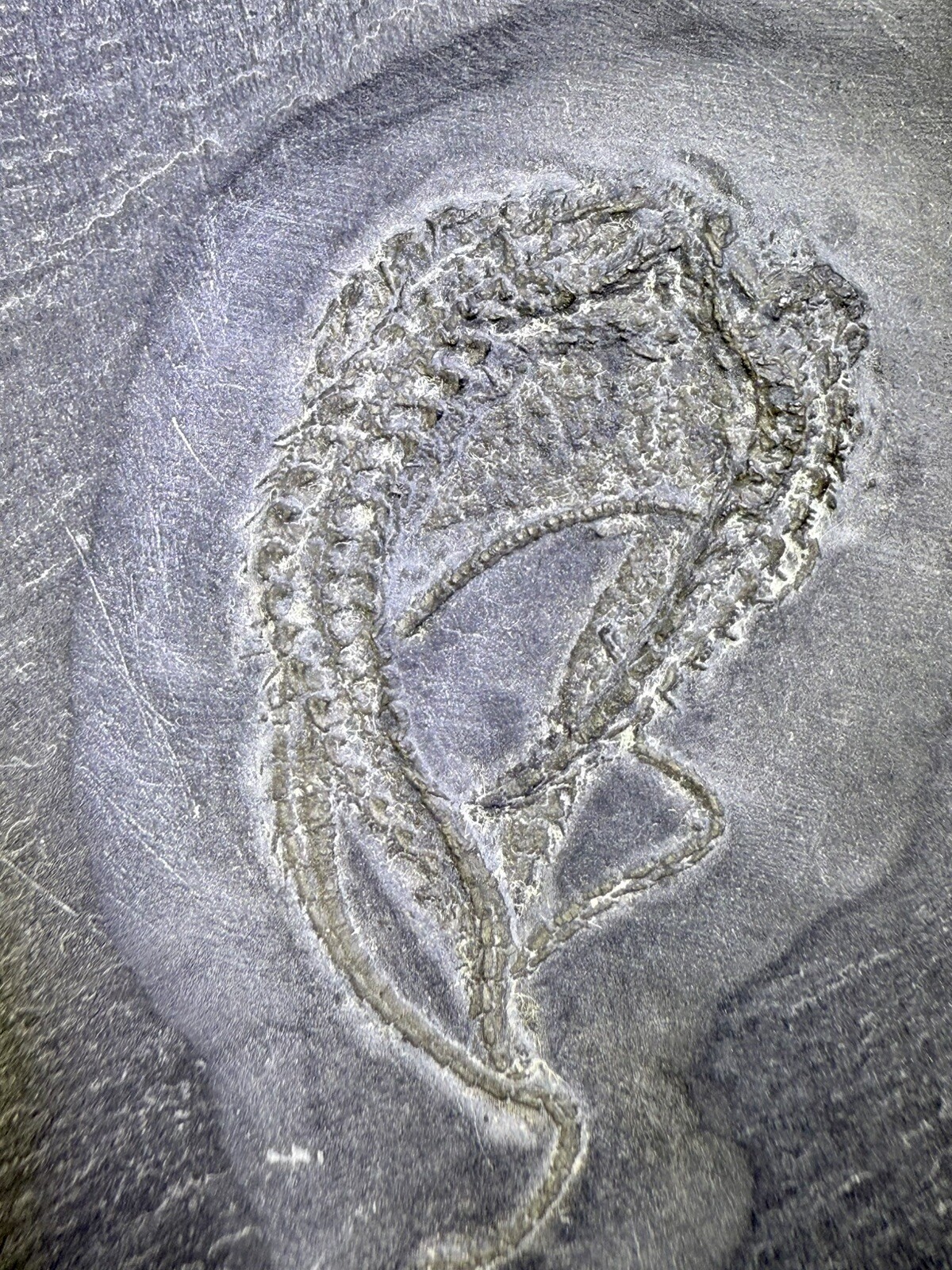
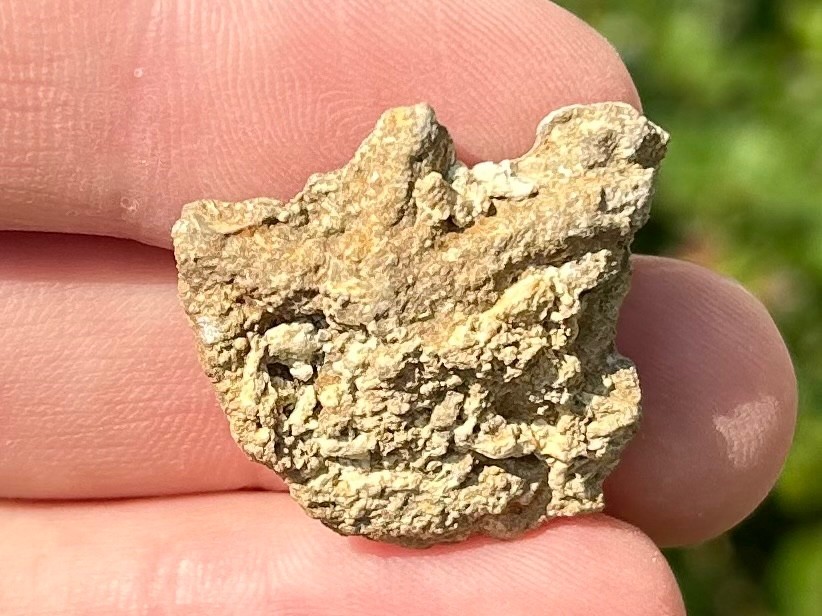
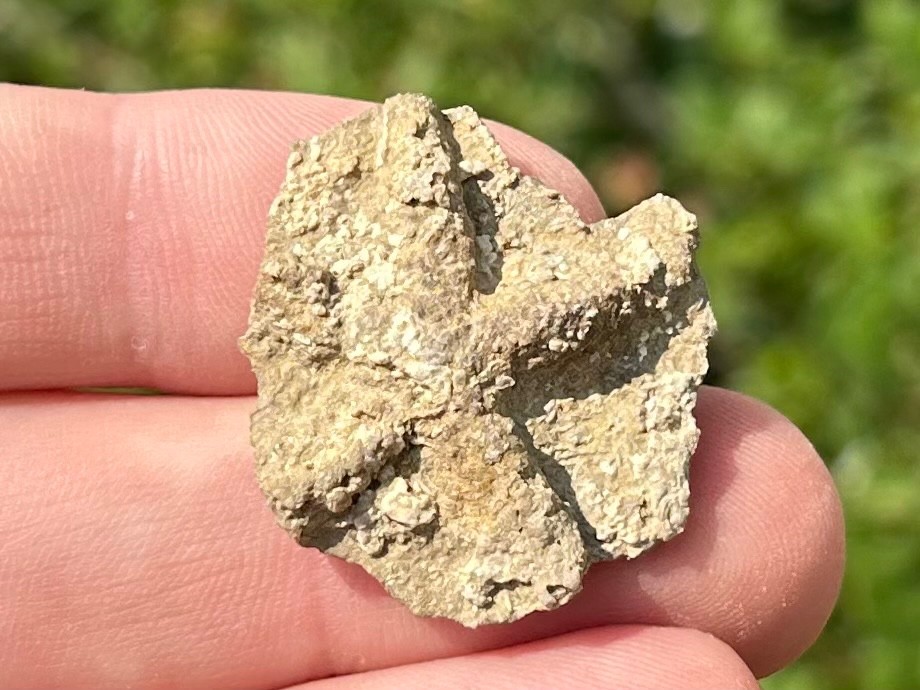
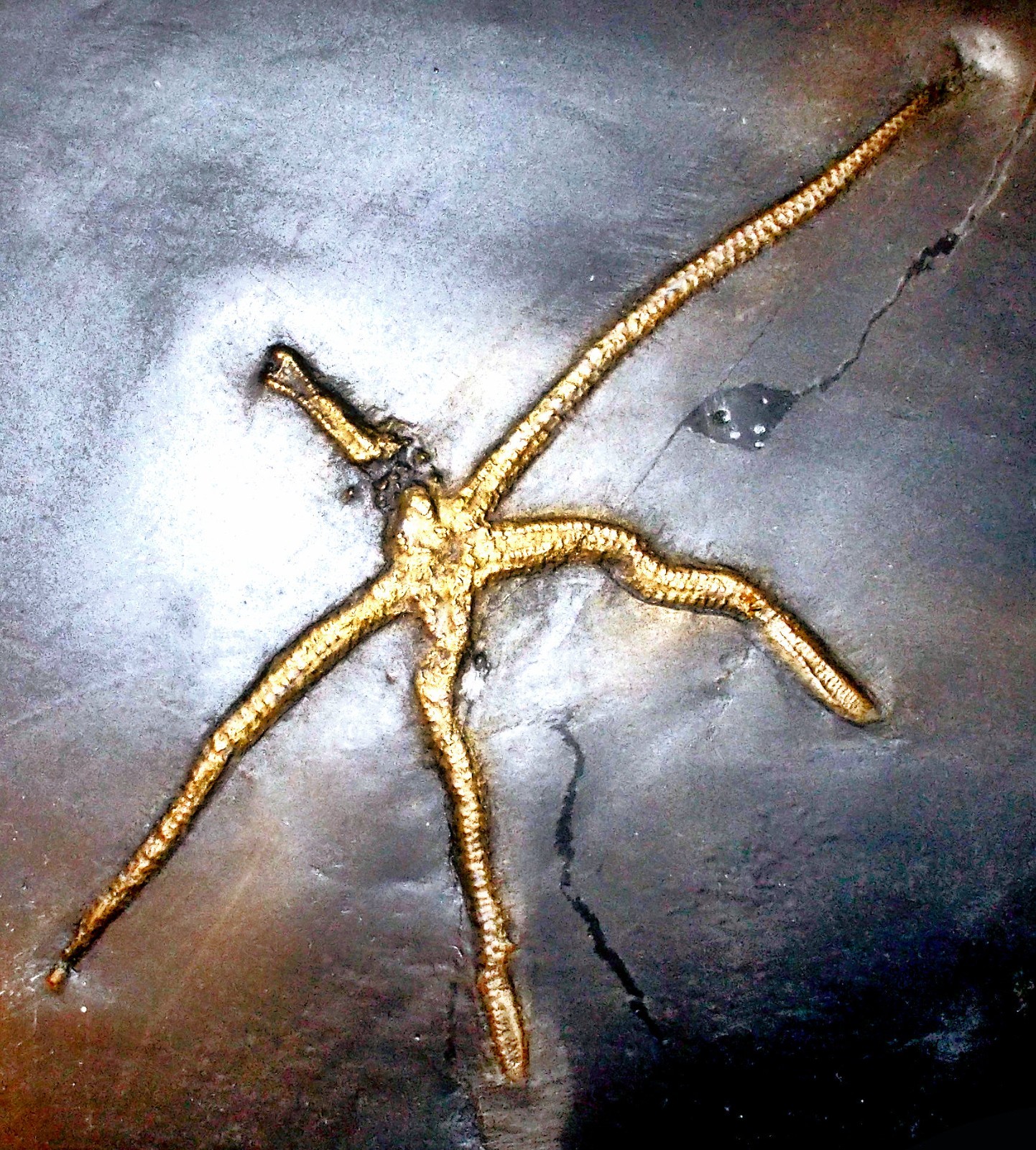
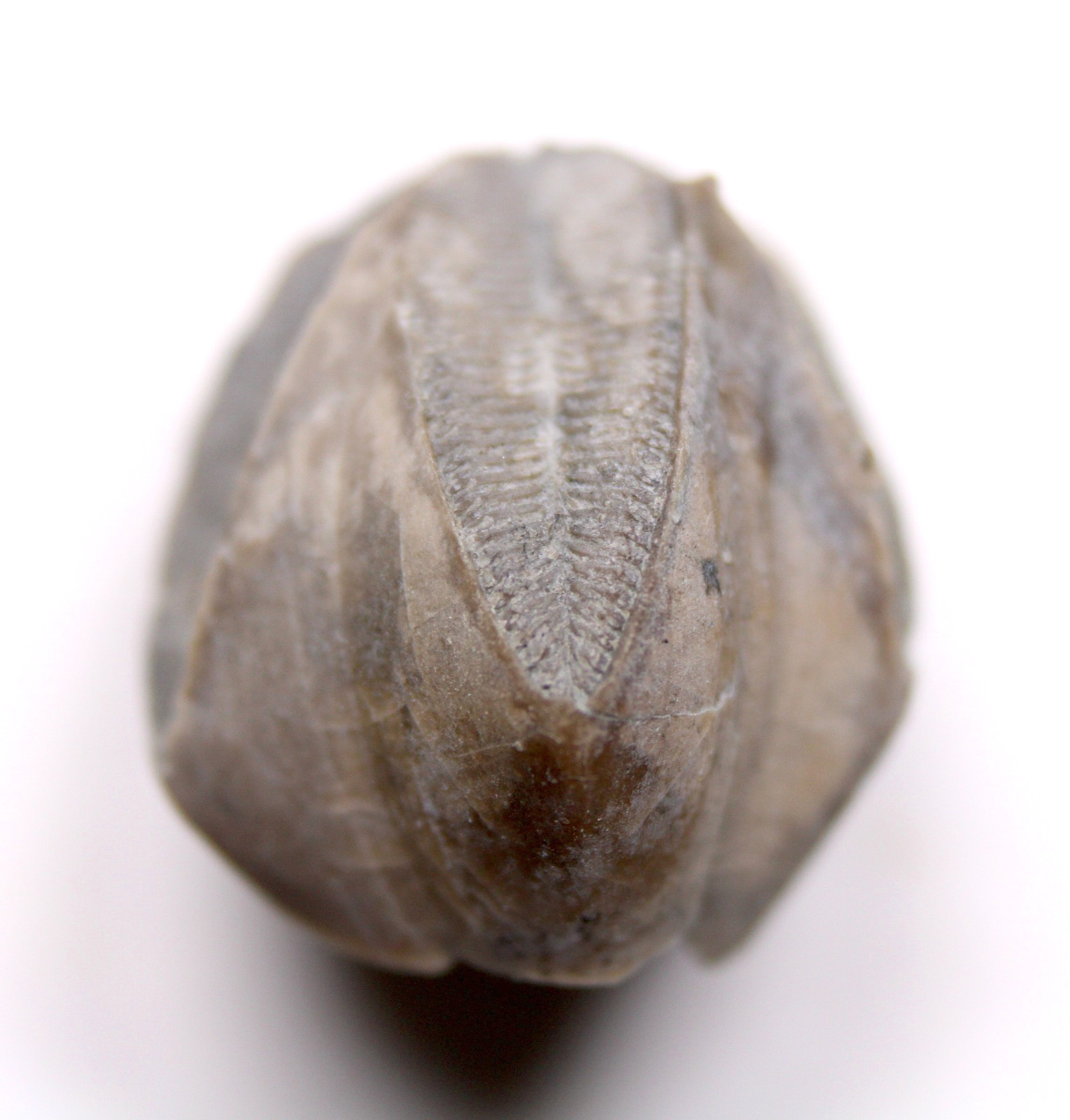
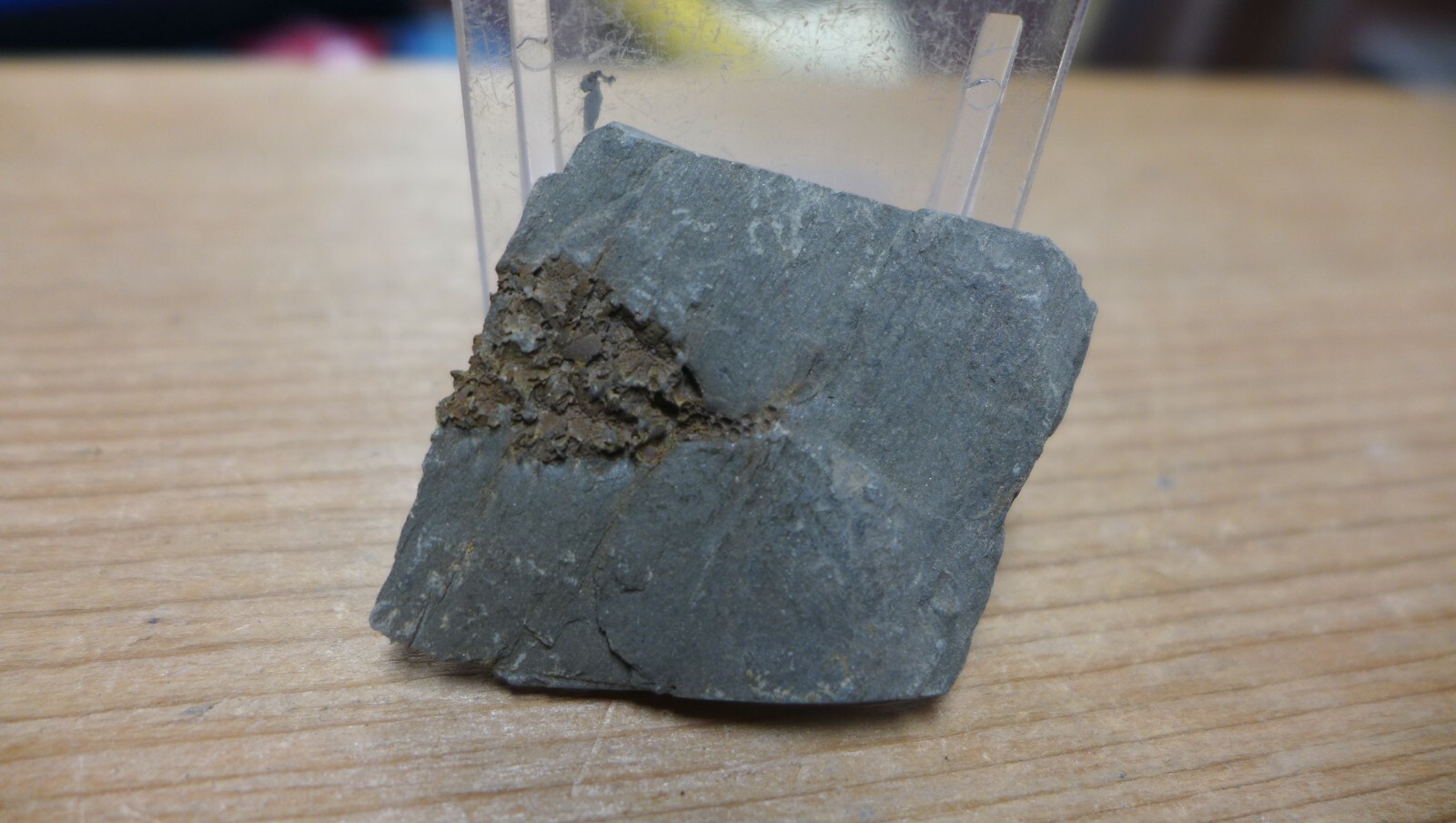
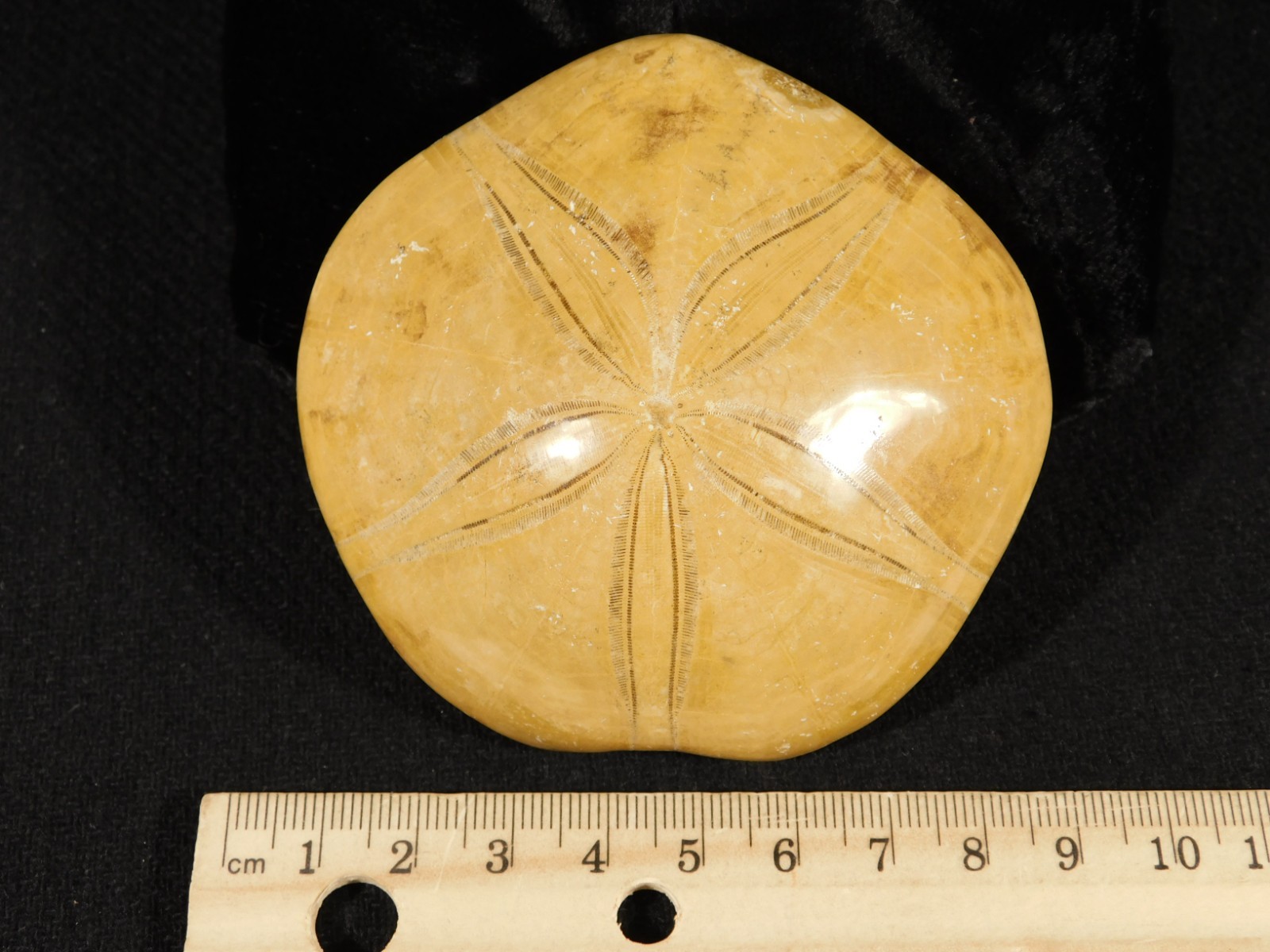
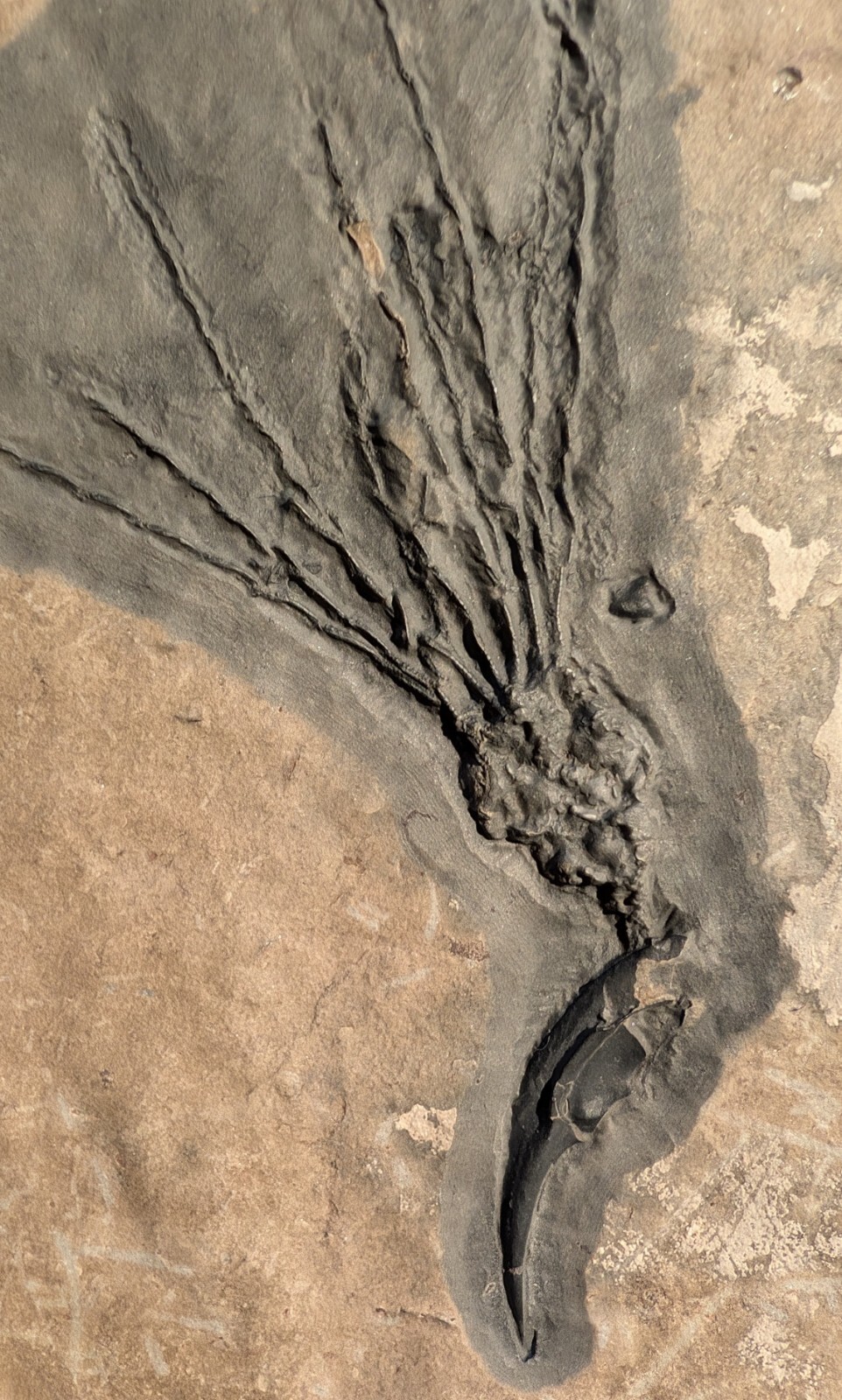
Check the listing for details. Gogia granulosa Fossil Wheeler/Marjum Formation, Utah Cambrian Proto-echinoderm. Condition: Used. Listed at 450.00 USD. Gogia granulosa Fossil Wheeler/Marjum Formation, Utah Cambrian Proto-echinoderm This is an unusual preservation of a 507 Million-Year-Old proto-echinoderm growing from the cephalon (head) of a trilobite from the famous Wheeler/Marjum Formation, Utah, a Cambrian deposit from the southwestern United States. These two ancient creatures preserved for eons together is very rare combination that you're unlikely to come across again. From Wiki: Gogia is a genus of primitive eocrinoid blastozoan from the early to middle Cambrian. G. ojenai dates to the late Early Cambrian; other species come from various Middle Cambrian strata throughout North America, but the genus has yet to be described outside this continent. Notable localities where species are found include the Wheeler Shale of Utah, and the Burgess Shale of British Columbia. The species of Gogia, like other eocrinoids, were not closely related to the true crinoids, instead, being more closely related to the blastoids. Gogia is distinguished from sea lilies, and most other blastoids, in that the plate-covered body was shaped like a vase, or a bowling pin (with the pin part stuck into the substrate), and that the five ambulacra were split into pairs of coiled or straight, ribbon-like strands. Six specimens of Gogia are known from the Greater Phyllopod bed, where they comprise < 0.1% of the community. As a whole, the Eocrinoids are regarded as basal blastozoans very close to the ancestry of the entire subphylum. The Wheeler Shale (named by Charles Walcott) is a Cambrian (c. 507 MYO) fossil locality world-famous for prolific agnostid and Elrathia kingii trilobite remains and represents a Konzentrat-Lagersttte.
You may also like