| All returns accepted | ReturnsNotAccepted |
|---|---|
| Brand | Sumitomo |
| Model | ER-10 |
| MPN | ER-10 |
| Country/Region of Manufacture | Japan |
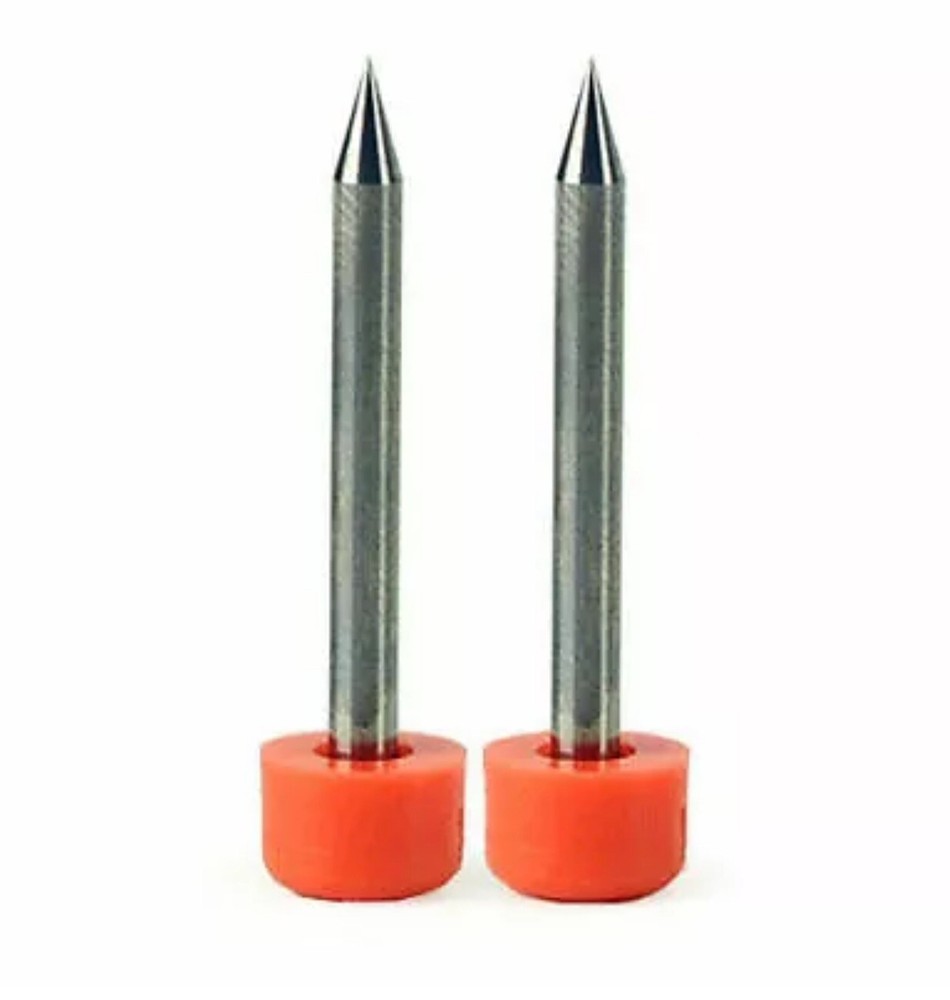
Check the listing for details. Fusion Splicer Electrodes for Sumitomo Splicer Type Q102-CA. Condition: New. Listed at 44.95 USD. Fusion Splicer Electrodes for Sumitomo Splicer Type Q102-CA Japanese made direct replacement electrodes that provide great splice burns to help you get the job done. Manufacturer information about fusion, splicing Fiber optic splicing using electrode splicing involves joining two optical fibers to ensure the transmission of light with minimal signal loss. This method, commonly referred to as fusion splicing, uses an electric arc to fuse the fibers together. Here’s a summary of the process: Fiber Preparation: The protective coatings of the optical fibers are stripped, and the bare fibers are cleaned to remove dirt or oils. The fiber ends are cleaved precisely to create flat, smooth surfaces. Alignment: The fibers are placed into a fusion splicer, where an automated alignment mechanism ensures the cores are perfectly aligned. Fusion with Electrode: An electric arc is generated between electrodes in the splicer. This heat melts the ends of the fibers, fusing them into a single, continuous strand.Inspection and Testing: The splice is inspected visually or with testing equipment to ensure proper alignment and minimal loss. The fusion splicer often provides a loss estimate. Protection: The splice is reinforced using a protective sleeve or coating to safeguard it against environmental or mechanical damage. Fusion splicing is preferred for its low loss (typically < 0.1 dB) and high durability, making it ideal for telecommunications, data networks, and other high-performance optical systems.
You may also like